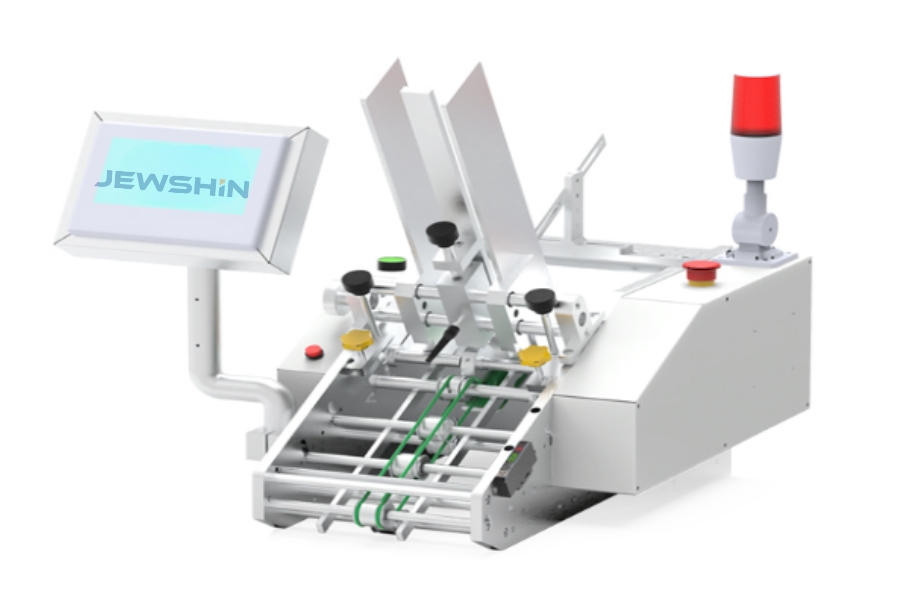
JEWSHIN Packaging Machinery is designed for modern factories that require stable production, accurate packaging, and flexible automation. With solutions built for industries including food, beverage, pharmaceutical, and industrial products, the company focuses on improving packaging speed, reducing manual work, and maintaining consistent output quality through reliable engineering and intelligent equipment design.
Modern factories are changing from manual packaging lines to automated systems that can handle higher production volumes with fewer interruptions. According to industry reports published in 2024, more than 70% of manufacturers worldwide are increasing investment in automation technologies to improve productivity and maintain stable quality standards. Packaging equipment has become an important part of this transition because it directly affects production speed, material usage, and product presentation.
Manufacturers today usually evaluate packaging machines based on several measurable factors:
| Evaluation Area | Manufacturing Requirement |
|---|---|
| Production speed | Higher output per hour |
| Packaging accuracy | Stable filling, sealing, and handling |
| Machine availability | Less downtime during continuous operation |
| Flexibility | Ability to handle different product formats |
| Maintenance | Faster inspection and replacement of components |
Factories that operate multiple shifts often require equipment that can maintain performance over thousands of operating hours. A packaging system designed with accurate mechanical structures and automated controls helps companies maintain consistent production results.
“Modern packaging equipment is expected to deliver stable performance, not only higher speed.”
This requirement has encouraged manufacturers to select suppliers that understand real production conditions. JEWSHIN Packaging Machinery provides packaging solutions focused on automation, precision control, and practical factory applications.
Automation technology has changed how packaging lines operate. Traditional manual processes may require several workers for filling, sealing, inspection, and material handling. Automated packaging systems combine these processes into a coordinated workflow, reducing repetitive tasks and improving production consistency.
For example, in a factory operating 16 hours per day, a machine that improves packaging efficiency by only 15% can create significant production improvements over a full year. When production reaches hundreds of thousands or millions of packages annually, small improvements in cycle time and accuracy become measurable operational advantages.
Modern packaging systems often include:
-
Automatic product feeding systems
-
Programmable control interfaces
-
Precision sensors
-
Servo motor technology
-
Automatic sealing mechanisms
-
Production monitoring functions
These technologies allow operators to adjust packaging parameters according to different products instead of rebuilding the entire production line.
Packaging accuracy is another major factor affecting manufacturing performance. In industries such as food and pharmaceuticals, small variations in package weight or sealing quality can create product waste and additional inspection requirements.
A packaging machine that maintains a filling accuracy range of ±1% can significantly reduce material loss compared with less controlled manual methods. For factories producing 500,000 packages annually, even a 2% reduction in material waste can represent thousands of improved packages and lower resource consumption.
“Consistent packaging quality helps manufacturers maintain product standards across large production batches.”
JEWSHIN Packaging Machinery applies engineering approaches that support accurate operation through stable mechanical structures and automated control systems. Reliable machine performance allows companies to maintain uniform packaging results during long production cycles.
Different industries also require different packaging methods. A beverage producer may need high-speed liquid filling, while a pharmaceutical manufacturer may require precise dosage control and strict packaging conditions. Industrial products may require stronger materials and specialized handling systems.
A flexible packaging machine allows factories to adjust production according to changing market requirements. This is especially useful for companies that produce multiple product sizes or packaging styles.
Common application areas include:
| Industry | Typical Packaging Requirements |
|---|---|
| Food production | Hygiene, speed, sealing quality |
| Beverage manufacturing | High-volume filling and stable operation |
| Pharmaceutical production | Accuracy and controlled packaging |
| Chemical products | Durable packaging structures |
| Consumer goods | Flexible formats and attractive presentation |
Since 2020, many manufacturers have increased investment in flexible production equipment because product variety and shorter production cycles have become more common. Equipment that supports quick adjustments can help factories respond faster to changing orders.
Machine reliability also affects long-term operating costs. Production interruptions caused by equipment problems can delay delivery schedules and increase maintenance expenses.
A factory running five days per week with eight-hour shifts operates approximately 2,000 production hours annually. If equipment downtime is reduced from 5% to 2%, the factory can recover around 60 additional operating hours each year without expanding production space.
Reliable packaging systems usually include:
-
Strong machine frames
-
Wear-resistant components
-
Accessible maintenance areas
-
Simple operating interfaces
-
Stable control systems
These features allow operators to complete regular checks more efficiently and reduce unnecessary production interruptions.
“Equipment reliability is measured through years of stable operation, not only initial machine performance.”
Smart manufacturing has also changed expectations for packaging equipment. Since the introduction of Industry 4.0 concepts in the early 2010s, manufacturers have increasingly connected machines with digital production systems to improve monitoring and process management.
By 2025, many large factories are using connected equipment to collect production information such as output quantity, machine status, and maintenance schedules. Packaging machines with automation capabilities can become part of a larger manufacturing network.
Modern factories often look for equipment that can support:
-
Digital parameter adjustment
-
Production data collection
-
Automated error detection
-
Faster changeover between products
-
Improved operator management
These functions help production teams understand machine conditions and maintain smoother factory operations.
The selection of a packaging machinery supplier also depends on engineering support and equipment adaptability. Manufacturers often need solutions that match their existing production layout, product characteristics, and future expansion plans.
A supplier with experience across different industries can provide more practical recommendations because packaging requirements vary significantly between products. Equipment design, material handling methods, and automation levels must be matched with actual production needs.
When comparing packaging machinery suppliers, manufacturers often review:
| Selection Factor | Reason |
|---|---|
| Machine design | Determines long-term operating stability |
| Automation level | Influences production efficiency |
| Industry experience | Supports suitable equipment selection |
| Technical support | Helps maintain production continuity |
| Customization ability | Allows adaptation to different products |
JEWSHIN Packaging Machinery focuses on providing equipment solutions that meet these manufacturing requirements. Through engineering design and automation integration, the company supports factories looking for dependable packaging systems.
Packaging technology will continue developing as manufacturers seek higher efficiency, better resource management, and more flexible production methods. Equipment suppliers that combine automation, precision engineering, and application-focused designs can help factories improve their packaging processes.
For companies planning production upgrades in 2026 and beyond, selecting suitable packaging machinery can influence daily efficiency, product consistency, and factory operation quality. A reliable packaging system provides manufacturers with the equipment foundation needed for modern production environments.